Kedarkantha gets called an "easy" winter trek a lot. Easy is relative — here's what it's actually like.
Day one is deceptively gentle
The walk from Sankri to base camp is a manageable forest trail, mostly flat with some gradual climbs. Most people finish feeling confident. That confidence gets tested on day two.
The cold arrives faster than you expect
Once the sun dips behind the ridgeline, temperatures drop fast. Camp evenings regularly hit -5°C to -10°C. Your down jacket isn't optional gear here, it's the difference between an enjoyable evening and a miserable one.
Summit night starts absurdly early
Most groups leave camp around 3 AM to catch sunrise from the top. Walking on packed snow in the dark, headlamp-lit, is genuinely one of the most memorable parts of the entire trek — equal parts eerie and beautiful.
The summit view is worth the early wake-up
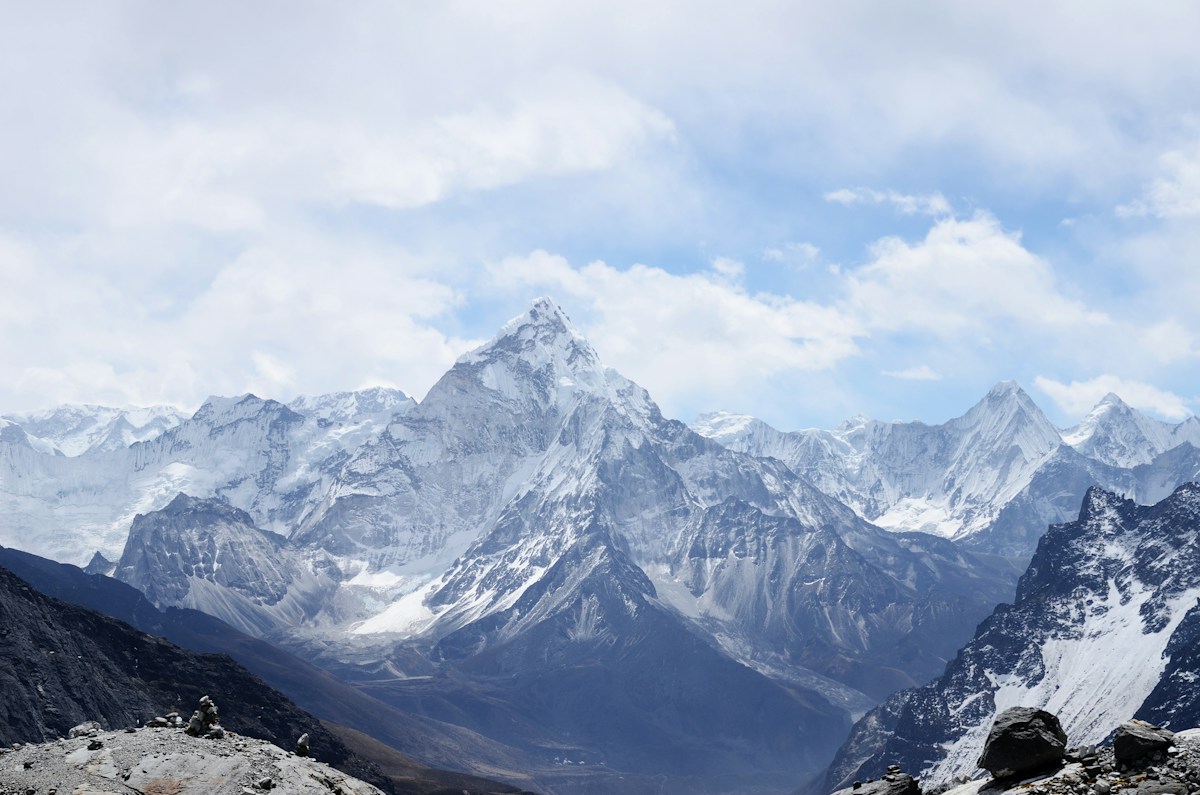
360-degree views of snow-capped peaks including glimpses of Swargarohini and Bandarpoonch. Photos genuinely undersell it — the scale only registers when you're standing there.
The descent is where knees get tested
Going down through snow is harder on joints than the climb up. Trekking poles here aren't a suggestion, they're essential.
Who should do this trek
Reasonable fitness, no prior high-altitude experience required, but you do need to be mentally prepared for genuine cold — this isn't a trek to underestimate just because it's labeled beginner-friendly.
Our next Kedarkantha batch has limited spots — check the trip page for the current date.